

Blog & Insights
Read about technology related topics.
We are recognized experts in managed IT services and run one of the most established technology companies in Cincinnati, OH.



AI Consultant Pricing: How Much Should You Budget?
Business owners exploring automation and AI adoption almost always land on the same question: how much do AI consulting services cost? The honest answer is that pricing shifts based on the size of your business, the complexity of the project, and the consultant's level of experience.
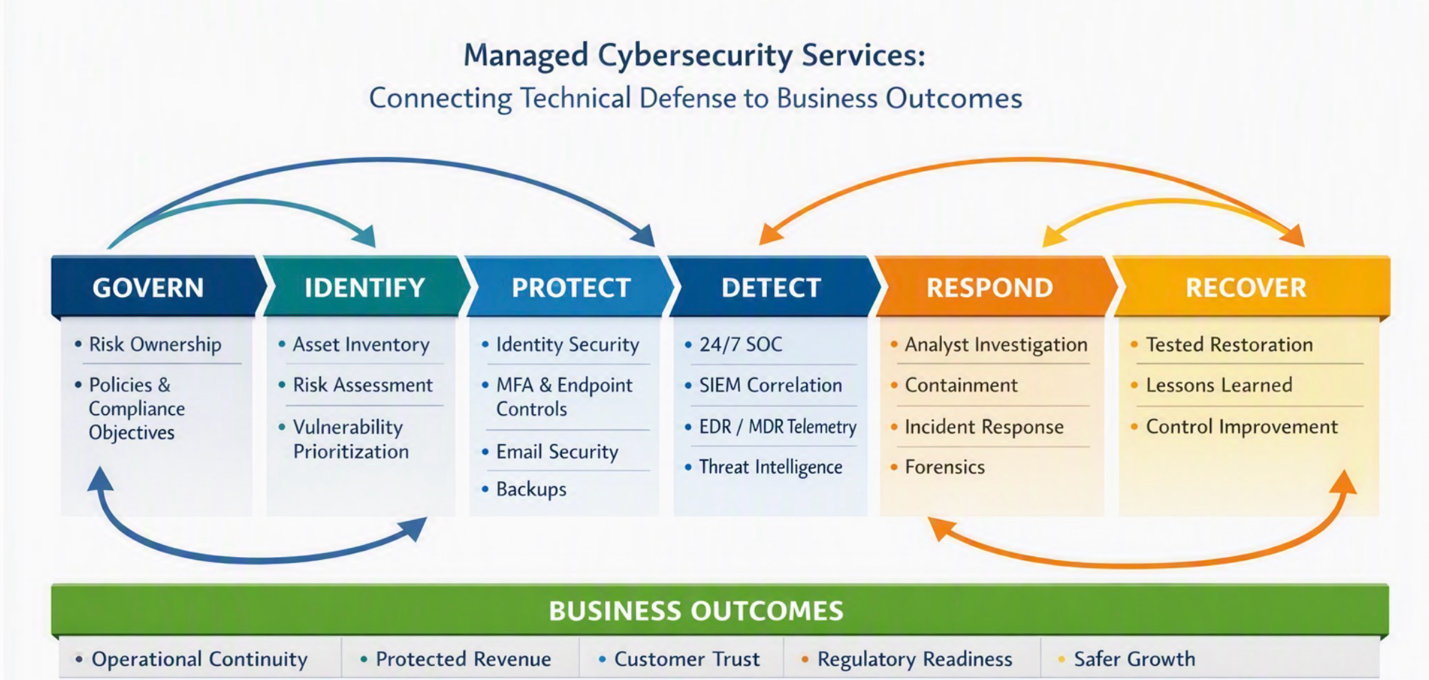
The 7 Core Principles of Cybersecurity That Protect Business Growth
Cybersecurity failures rarely remain confined to IT. A compromised account can stop invoicing. An unavailable production system can delay orders. A breached vendor can expose customer information. By the time a security incident reaches the executive team, the problem is usually operational, financial, legal, or reputational.
How To Measure The Value Of Your Digital Transformation Efforts
A manufacturing executive once told us his new ERP system was "definitely helping" but couldn't say how. That's the trap a lot of businesses fall into. Spending is easy to track. Impact is not, unless you plan for it. This article covers how to measure digital transformation in a way that gives you real answers instead of a shrug.

The 7 Core Principles Of A Successful Digital Transformation Strategy
Most digital transformation efforts don't blow up in some dramatic, headline-worthy way. They just quietly stop delivering value, and six months later nobody remembers why the project got approved in the first place. This article covers seven principles that keep transformation work grounded in reality instead of ambition, based on patterns we keep running into across different industries.

4 Key Areas Driving Digital Transformation In Today's Businesses
Digital transformation sounds like one enormous undertaking, which is exactly why so many businesses freeze before starting. Break it apart, though, and it's really four distinct areas, each with its own goals and its own pace. This article walks through what are the four main areas of digital transformation, with real examples of what each looks like when a business tackles it deliberately instead of trying to do everything at once.

The Significance Of Digital Transformation In Healthcare
A rural clinic loses a nurse to burnout because she spent half her shift on paperwork instead of patients. A hospital fails an audit because nobody noticed a vendor had access to records they shouldn't have. These aren't hypotheticals; they're the everyday reality driving digital transformation in healthcare. This article looks at why the pressure is mounting and what a responsible response actually looks like.

The Role Of Customer Experience In Driving Digital Transformation
Ask a business why it invested in new technology, and you'll usually hear about internal efficiency. But the real pressure, increasingly, is coming from outside the building entirely, from customers who now judge every business against the best digital experience they've had anywhere. This article looks at how digital transformation is driving customer experience, and why that outside pressure deserves more weight than most technology roadmaps give it.

AI Governance: A Technical Framework for Managing Risk, Compliance, and Trust
AI governance manages risk, ensures compliance, and protects organizations from legal exposure. Explore frameworks, best practices, and real-world AI regulation insights. Meet the Cincinnati AI governance consultants at engineers at nexigen.

Enterprise AI Services, Training and Strategy: Meet The 3 Leaders in Cincinnati
Meet Jon Salisbury, Summer Crenshaw and Zack Huhn and learn how Nexigen and the Enterprise Technology Association advance secure enterprise AI strategy, training and adoption.
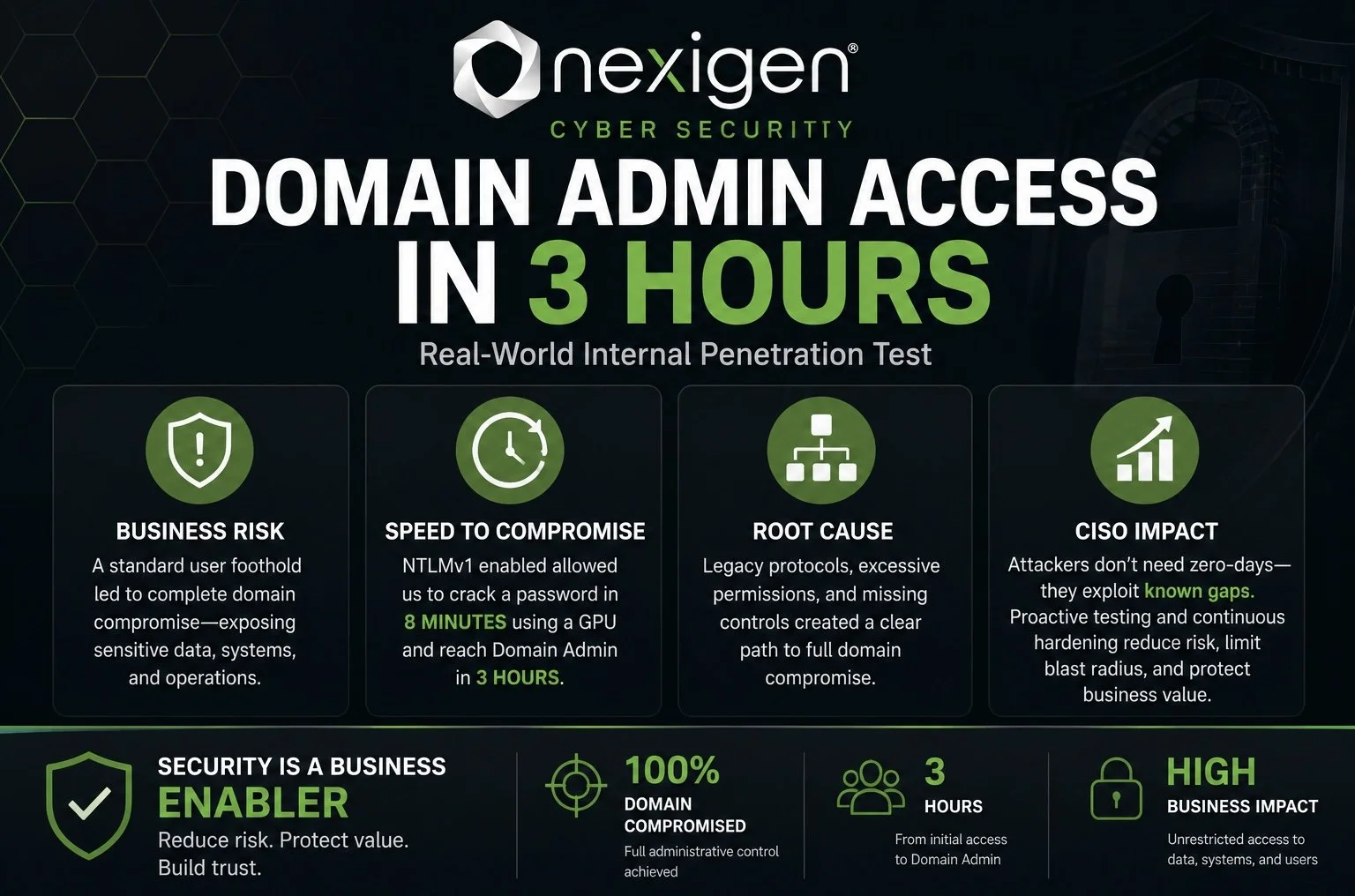
Penetration Testing Cincinnati: How Hackers Gain Domain Admin in Hours
Penetration Testing Cincinnati: How Hackers Gain Domain Admin in Hours by exploiting legacy authentication and common misconfigurations. Learn what CISOs should prioritize to reduce business risk.
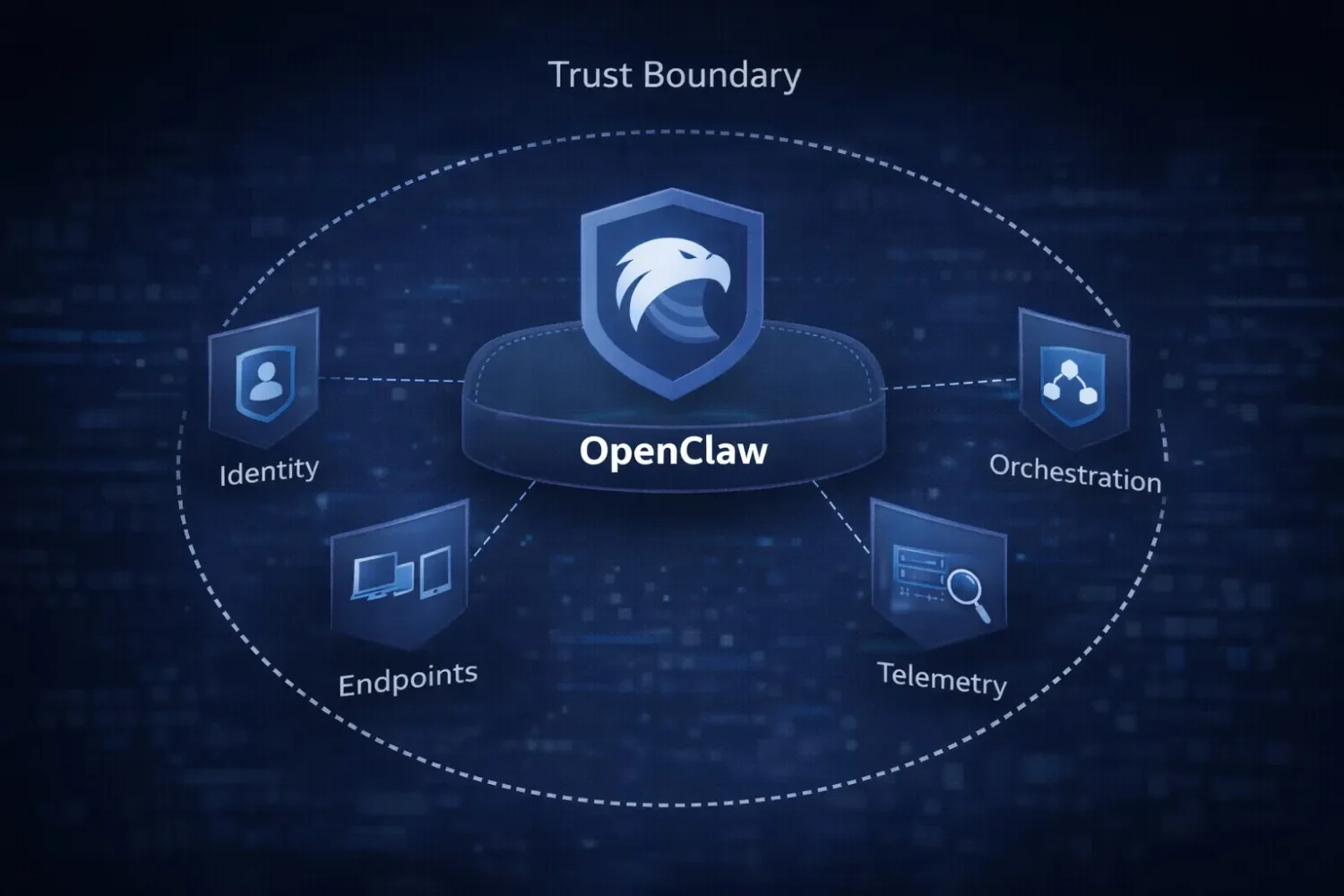
What CISOs Need to Know About OpenClaw
What CISOs should assess about OpenClaw: trust boundaries, privilege implications, telemetry governance, integration risk, ownership, supply chain exposure, and measurable resilience impact.
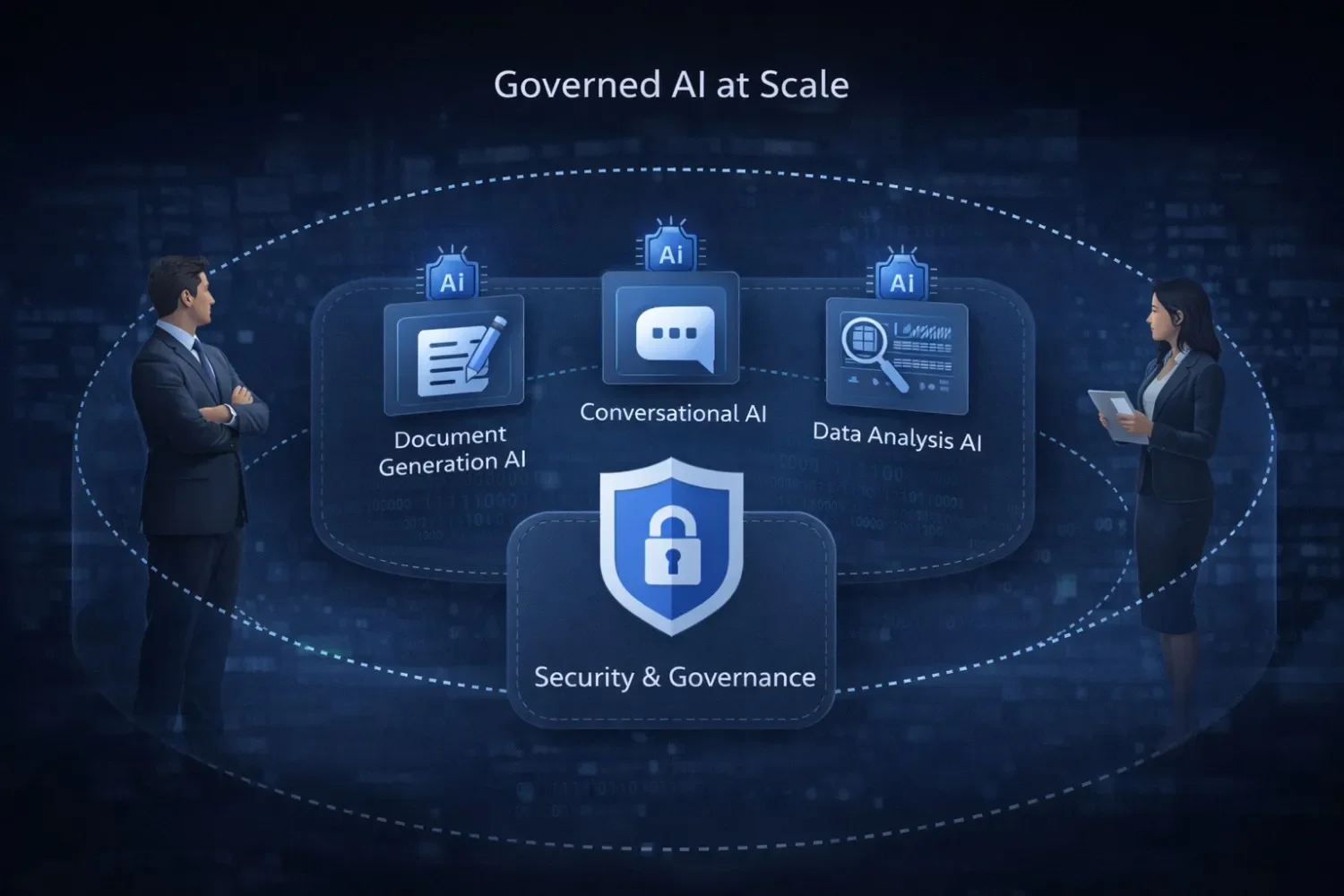
AI Governance for Mid-Sized Companies: How to Enable Innovation Without Risk
AI governance enables innovation without risk. Learn how mid-sized organizations can scale AI usage safely, consistently, and with confidence.

Top 5 Cybersecurity Threats for Businesses in 2025 and How to Counter Them
Cyber threats in 2025 move faster, smarter, and more automated than ever. Learn the top risks businesses face and how to defend against AI-driven attacks, ransomware, and identity compromise.
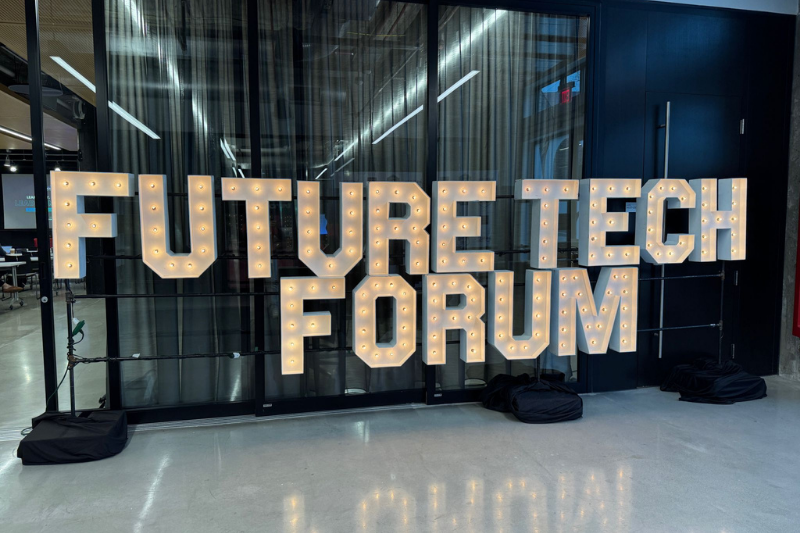
Cincinnati’s AI Future Is Being Built Now: Highlights from the Future Tech Forum
Cincinnati leaders gathered at the Future Tech Forum to tackle AI readiness, workforce development, and regional innovation. As a proud sponsor, Nexigen continues supporting secure, human-centered AI adoption across the Midwest.

Future Tech Forum Cincinnati. Your Guide to the Region’s Leading AI and Cybersecurity Event
Future Tech Forum Cincinnati returns December 9 and 10. Learn why this AI and cybersecurity conference matters, see when Nexigen’s leaders are speaking and claim 50 percent off your ticket with code Nexigen50.
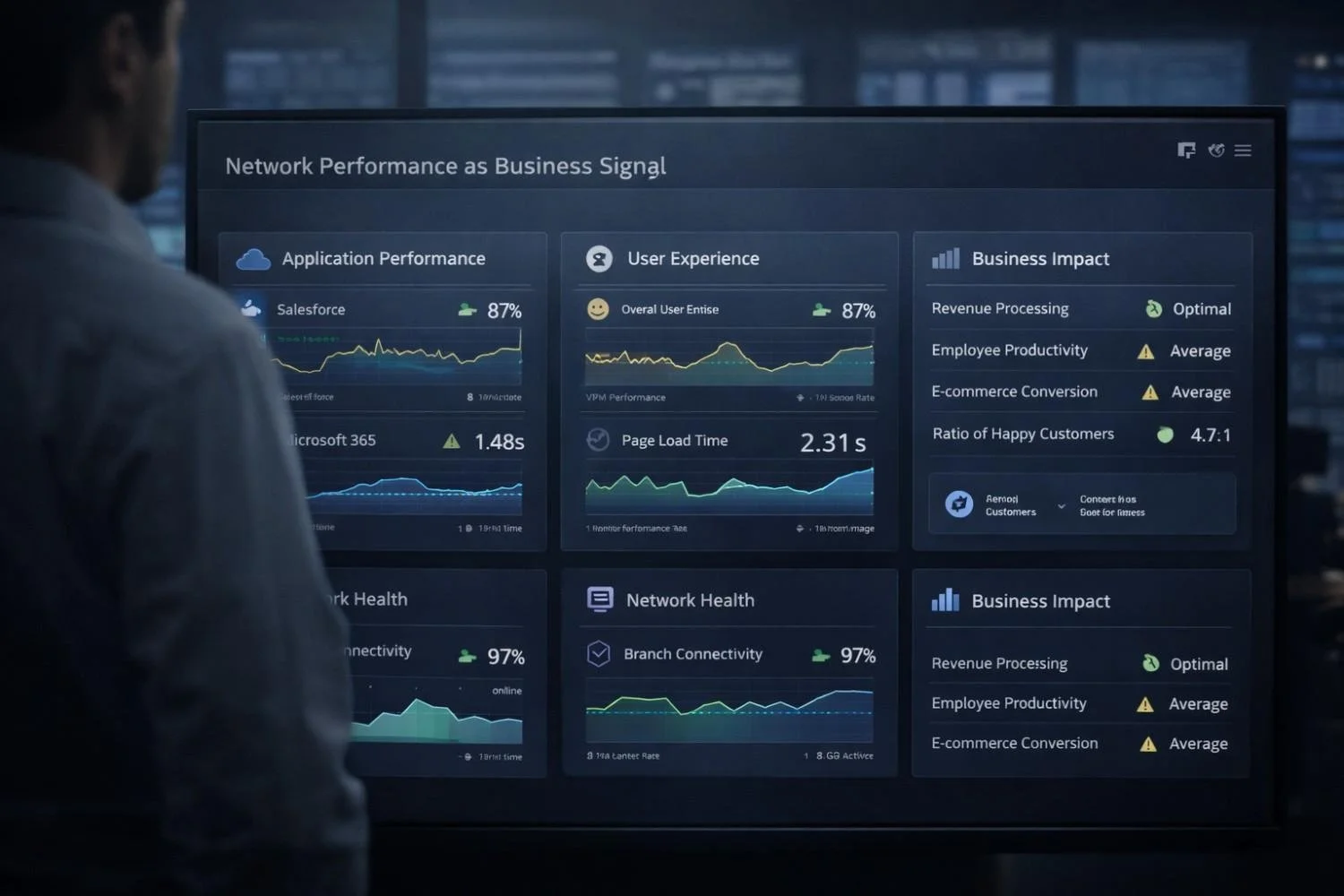
Why Network Performance Is Now a Business KPI (Not Just an IT Metric)
Network performance now directly impacts productivity, revenue, and security. Learn why leading organizations treat it as a business KPI.